Local GuidesStorm Recovery
Mold After a Hurricane or Flooding in Fort Myers: What To Do in the First 48 Hours
Storm surge, driving rain, and days without power are a perfect recipe for mold. Here is exactly what to do — and what not to do — in the first 48 hours after water gets in.
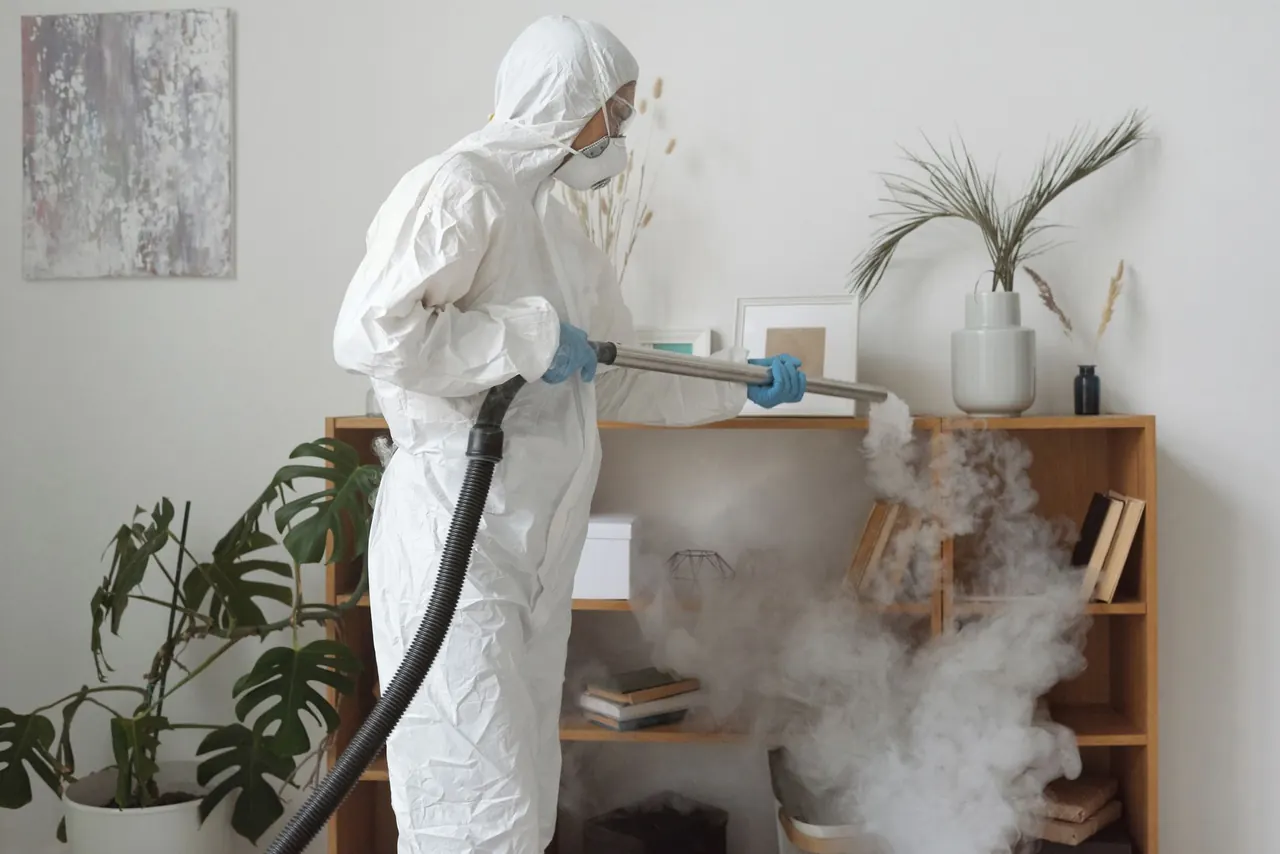
Every hurricane season, Fort Myers homeowners face the same double hit: first the storm, then the mold. Warm floodwater, soaked drywall, and homes sitting closed up without air conditioning for days create ideal conditions for mold growth. If your home took on water — from storm surge, driving rain, or a failed roof — what you do in the first 48 hours largely decides whether you are dealing with a cleanup or a full remediation.
This guide covers the practical order of operations after flooding: safety, drying, documentation, what to throw away, what can be saved, and when it is time to call in professional mold remediation.
Why the first 24 to 48 hours matter
Mold does not wait for the insurance adjuster. On wet drywall, carpet, and wood, mold colonies can begin forming within 24 to 48 hours of the water arriving.
The math is simple: every hour you spend drying is an hour mold does not get. Start the dry-out as soon as it is safe to be in the home.
Safety first: before you start cleaning
- Electrical hazards: Do not enter rooms with standing water until the power is off at the breaker — and if the panel itself was flooded, call an electrician first. Assume any outlet or appliance that sat in water is unsafe until checked.
- Contaminated water: Floodwater is not rainwater. It can carry sewage, fuel, chemicals, and bacteria. Wear waterproof boots, gloves, and an N95 mask or respirator when working in flooded areas.
- Structural safety: If walls are bulging, floors feel spongy, or the roof looks compromised, do not go inside until the building has been checked. No cleanup is worth an injury.
- Gas: If you smell gas, leave immediately and call the utility company from outside.
Step 1: get the water out and the air moving
- Remove standing water. Pumps, wet vacuums, and buckets — whatever gets it out fastest. The sooner surfaces are exposed to air, the better.
- Open everything up. Open windows and doors if the weather allows, and remove cabinet doors and drawers so air reaches hidden spaces.
- Move air aggressively. Fans pointed at wet walls and floors speed drying dramatically. If you have power, run the AC — air conditioning both cools and dehumidifies.
- Dehumidify. A portable dehumidifier pulling moisture out of the air can make the difference between drying and growing. Empty it often, or set it to drain continuously.
Step 2: decide what can be saved and what cannot
Not everything that got wet can be dried. As a general rule:
- Usually cannot be saved: wet drywall (especially below the flood line), carpet and carpet padding, upholstered furniture that sat in floodwater, mattresses, and insulation. These are porous materials — drying the surface does not remove what grew inside.
- Often can be saved: solid wood furniture and framing (after thorough drying), tile and concrete floors, metal and plastic items, and clothing or linens that can be hot-washed — provided they are cleaned and fully dried quickly.
When in doubt about drywall, the flood cut is the standard approach: remove drywall at least 12 inches above the visible water line, because moisture wicks upward beyond what you can see.
Step 3: document everything before you throw it away
This step matters as much as the drying. Before discarding anything:
- Photograph and video every room, every damaged item, and the water lines on walls.
- Keep a simple written list of what was thrown away, with approximate values.
- Save samples where practical (a piece of damaged flooring, for example) and keep receipts for every cleanup expense.
Insurance claims after storms live or die on documentation. Take the photos first, haul the debris second.
The 10-square-foot rule of thumb
A widely used guideline: mold growth covering more than about 10 square feet — roughly a 3-by-3-foot patch — or growth inside wall cavities, HVAC systems, or multiple rooms is a job for professionals. After flooding, growth is rarely confined to one tidy patch, which is why post-storm remediation is so often a professional job.
A post-flood inspection is also worthwhile when you cannot see the full extent: moisture meters and air sampling can find growth inside walls and under flooring that looks dry on the surface. In Fort Myers, inspection and testing typically runs $200 to $800.
What NOT to do after a flood
- Do not just paint over it. Paint seals mold in but does not kill what is inside the material — it will come back through, and the structure keeps deteriorating behind the paint.
- Do not delay the dry-out. Waiting for the adjuster before starting to dry is one of the costliest mistakes after a flood. Mitigate first, document as you go.
- Do not rely on bleach for porous materials. Bleach can disinfect hard, non-porous surfaces, but on drywall and wood it does not reach the roots of the growth — and it adds more moisture to the material. Proper remediation removes the affected material instead.
- Do not run the AC normally if the ducts flooded. A contaminated HVAC system will distribute spores through the whole house. Have ductwork inspected before running the system.
The Fort Myers angle: surge zones and Hurricane Ian
Fort Myers, Fort Myers Beach, Sanibel, and Cape Coral all sit in zones where storm surge can push water well inland, and many homes are in or near designated flood zones. When Hurricane Ian came ashore in 2022, entire neighborhoods on Fort Myers Beach and Sanibel took on feet of water — and in the weeks that followed, mold remediation became one of the most in-demand services in the area.
The lesson from Ian applies to every storm since: the homes that dried out fastest had the smallest mold problems. If you live near the water or in a low-lying part of Cape Coral, Lehigh Acres, or the islands, treat every flood event as a mold event from hour one.
When to call for remediation
Call for professional remediation when water sat for more than 48 hours, when growth covers a large area or multiple rooms, when it is inside walls or the HVAC system, or when anyone in the household has respiratory sensitivities. Typical remediation jobs in our area run $500 to $6,000 depending on the extent — and after significant flooding, the work usually involves controlled demolition of unsalvageable materials, HEPA-filtered containment, and thorough drying before any rebuilding starts.
If your home has taken on water, contact us as early as you can. The earlier we see it, the more of your home we can save.